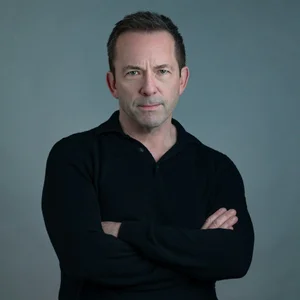
What Casting Directors in Toronto Actually Look for in an Actor's Headshot
If you want to understand what casting directors in Toronto look for in an actor's headshot, the most direct way is to ask someone who has been on both sides of the process. I'm Matthew Bennett — I've submitted headshots to casting directors as a working actor, and I've photographed headshots for hundreds of actors submitting to those same casting directors. Here's what I know.
The One-Second Rule
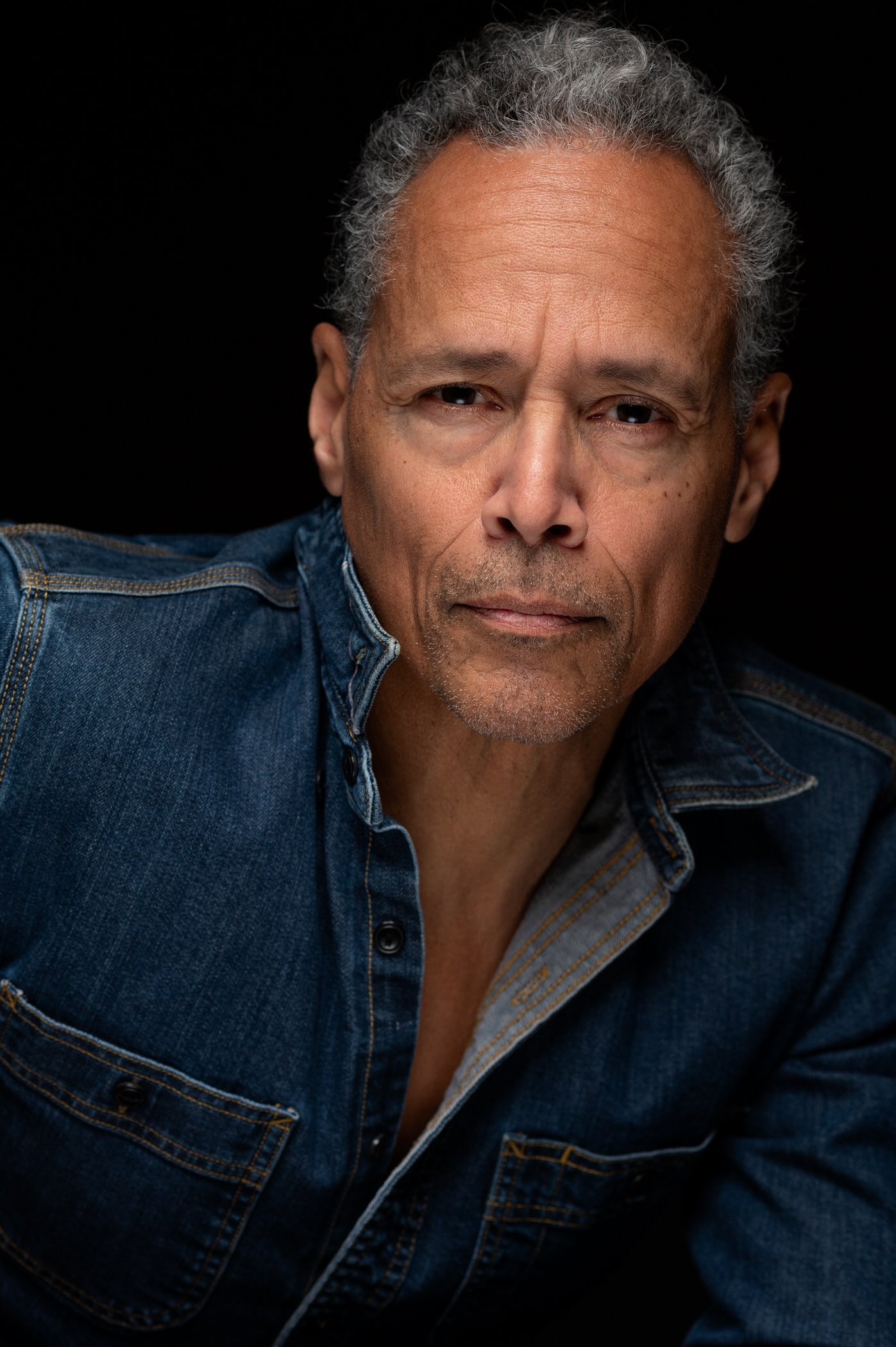
Casting directors in Toronto routinely review hundreds of submissions for a single project. Your headshot has approximately one second to create enough interest for them to look longer. That one second is not long enough to appreciate subtle lighting or clever composition. It is only long enough to register one thing: presence.
Presence is not a performance. It is not a look. It is a quality in the eyes — a sense that something is actually happening behind them, that the person in the photo is genuinely alive and engaged. Headshots that lack presence are invisible, regardless of technical quality.
What Casting Directors Are Actually Reading
Type: Casting directors are pattern-matchers. When they look at your headshot, they are mapping you onto a set of roles they regularly cast. A strong headshot makes that mapping immediate and instinctive — it communicates who you play before a single word is read.
Honesty: Your headshot should look like you on a good day. Not aspirationally younger or thinner. Not professionally made-up beyond recognition. Casting directors who call you in based on your headshot and find someone significantly different will not call you again.
Range (for multiple headshots): If you have a dramatic look and a commercial look, the contrast between them tells a casting director something valuable. They see type flexibility — the ability to serve different kinds of stories.
The Most Common Headshot Mistakes Toronto Actors Make
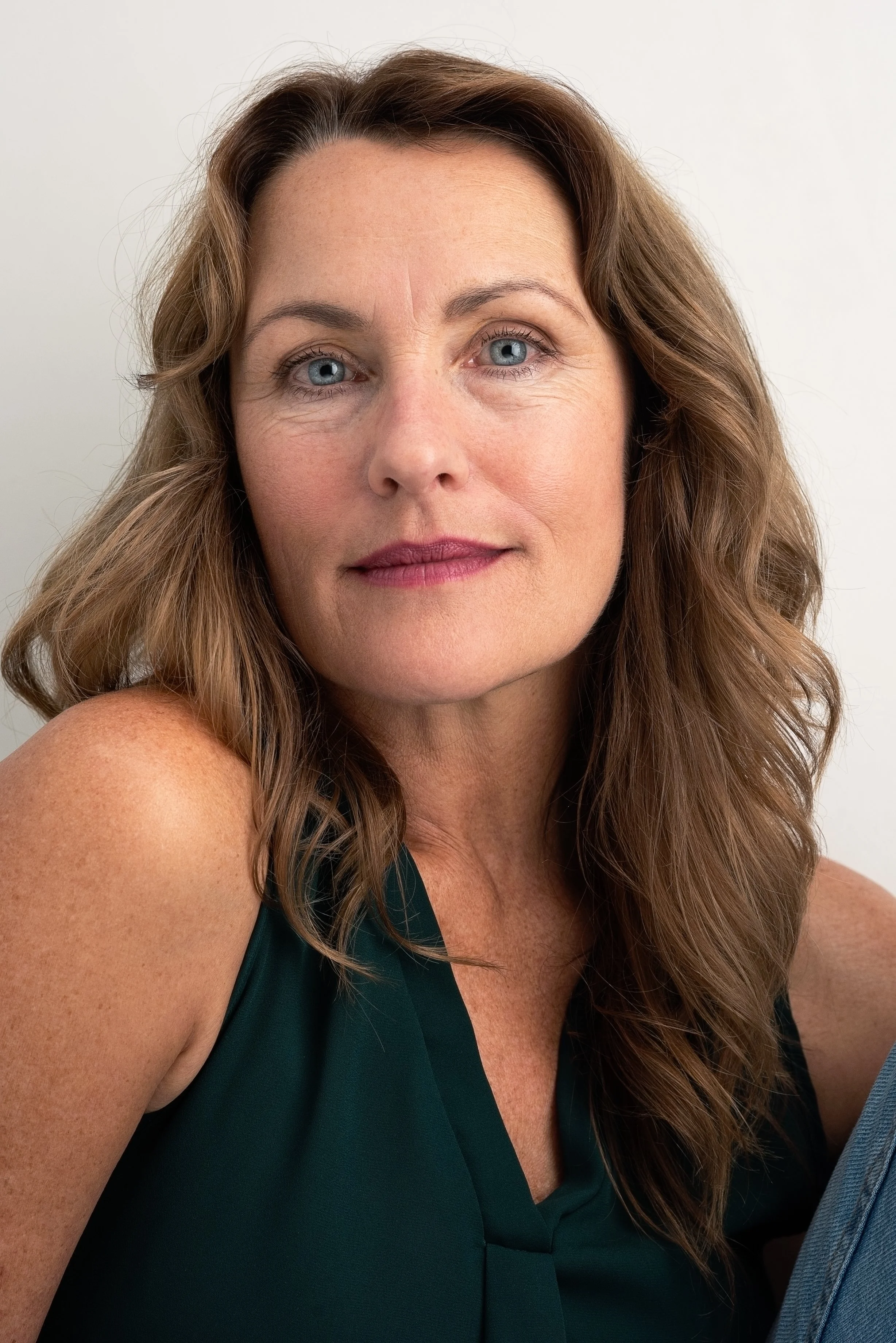
Over-posing: The search for the "perfect expression" often produces an expression that is anything but natural. The best headshots capture you not performing an expression but genuinely feeling something.
Wrong framing: Too much space above the head, or a frame that cuts awkwardly, is immediately obvious to a trained eye. Standard headshot framing in Toronto is tight to medium-tight — just above the top of the head to just below the shoulders.
Busy backgrounds: A background that competes with your face for attention is a distraction. Clean, neutral backgrounds — grey, textured, simple — keep the focus where it belongs.
Overly retouched images: Skin that has been smoothed to the point of unreality signals to a casting director that you are not comfortable with how you actually look. Light, tasteful retouching is fine. Heavy retouching undermines the honesty of the image.
The Actor-Photographer Difference in Toronto
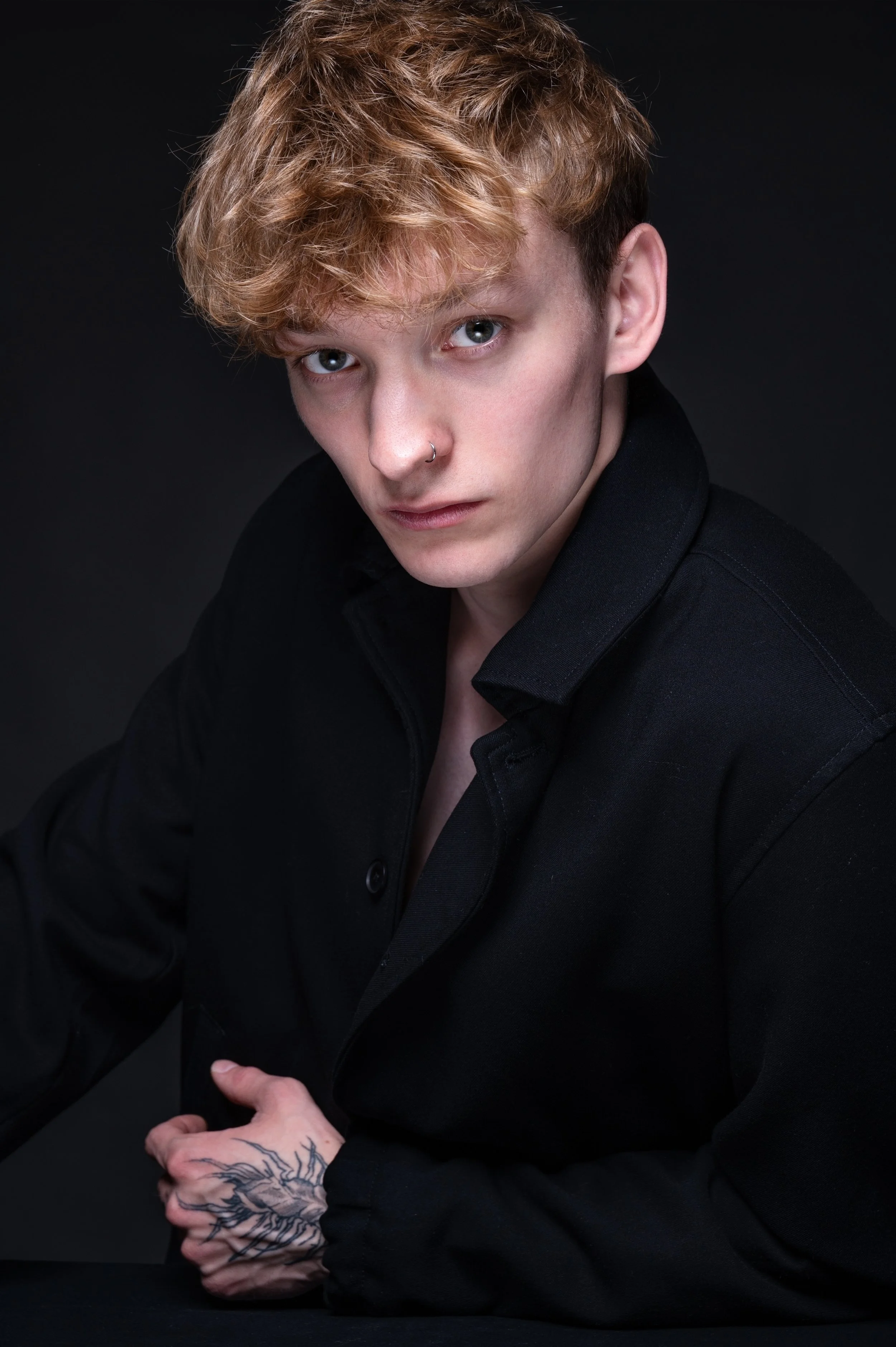
I approach every actor headshot session using the same tools I use as a working actor: improvisation, emotional direction, real-time feedback, and the ability to read what's happening in a face and adjust in the moment. The result is headshots that are technically strong AND genuinely present — because the best headshots are always both.
Book your Toronto actor headshot session:
portraits.to/studio-services-and-pricing
366 Adelaide St. East, Toronto